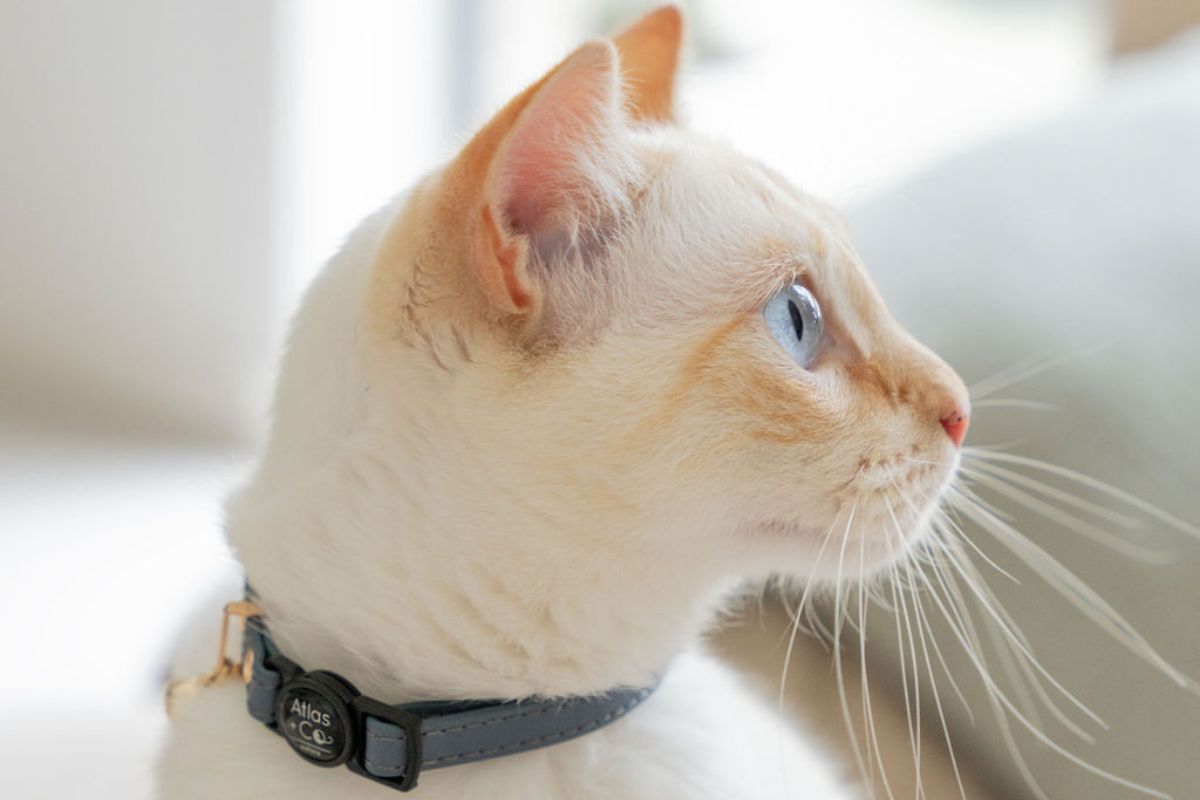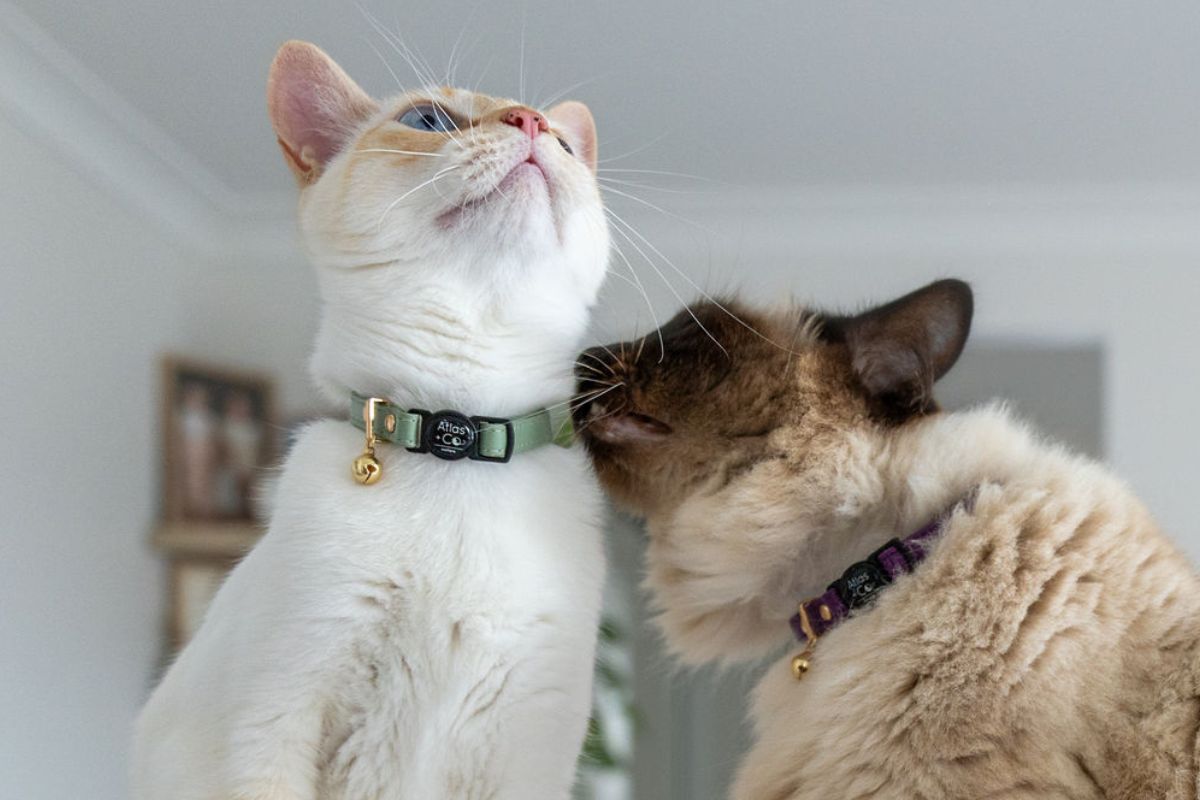
Should Indoor Cats Wear Collars? Here's What You Need to Know
Is a Collar Necessary for a Cat That Stays Inside?
If your cat lives exclusively indoors, you might wonder whether they really need a collar. After all, they're not roaming the streets or climbing backyard fences.
But here's the thing - most vets recommend collars for all cats, indoor or outdoor. Because it's not about where your cat spends most of their time. It's about what happens in the moments you don't expect.
Let's break down the pros and cons so you can make an informed decision.
The Case for Collars: Why Indoor Cats Should Wear One
1. Identification + Peace of Mind
Even the most well-behaved indoor cat has a curious streak. A door left open for just a few seconds is all it takes for them to slip outside.
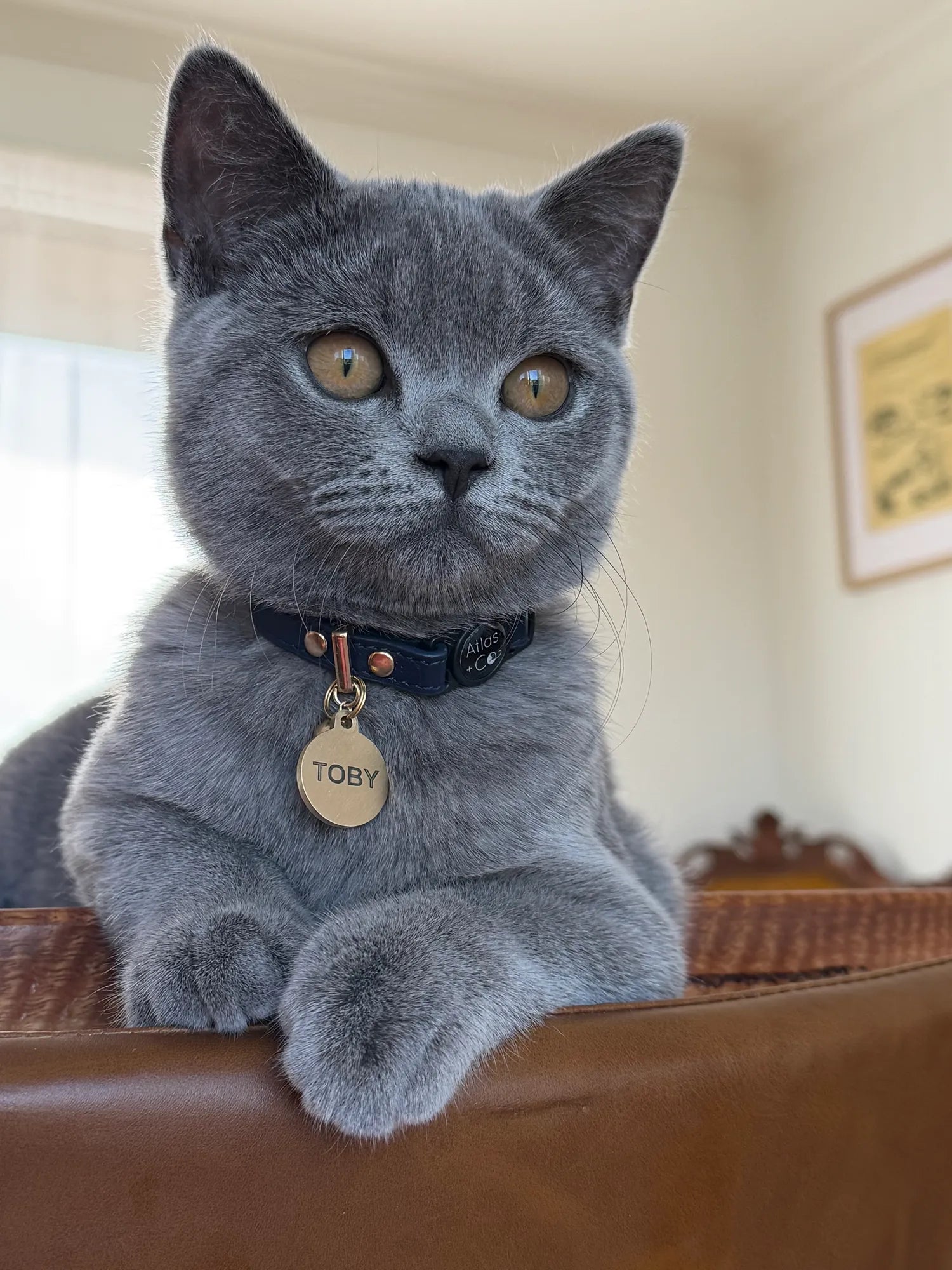
And if they do get out - a collar with an ID tag means they can be identified and returned home quickly.
- Lost pets are often assumed to be strays if they have no identification
- A collar makes it instantly clear that your cat has a home
- Even microchipped cats benefit from a visible ID tag - most people won't think to take a stray to a vet to be scanned
2. Safety Features That Give You Control
A well-designed cat collar doesn't just look good - it adds an extra layer of safety.
- Breakaway buckles prevent accidents if your cat gets caught on furniture or a scratching post
- A lightweight fit ensures comfort without irritation
- A collar provides immediate visibility if they ever venture outside
3. A Collar Becomes Part of Their Routine
Cats introduced to collars young adapt quickly, they won't even notice it's there. But if they suddenly need one later, for travel or an emergency, they'll resist it.
Wearing a collar daily means they're always prepared - no matter what.
If starting with a kitten, our leather kitten collar is designed specifically for cats under 2.5kg.
The Arguments Against Collars for Indoor Cats
1. My Cat Never Goes Outside
It's easy to assume an indoor cat won't escape, but accidents happen.
- Visitors, children or deliveries can create unexpected openings
- Cats can squeeze through windows or doors left ajar
- In emergencies like house fires or natural disasters, a collar ensures they're identifiable
Even the most secure indoor environment can't account for every possibility.
2. My Cat Hates Wearing a Collar
Some cats take time to adjust, but a well-fitted, soft collar shouldn't cause discomfort. If your cat resists, start slow:
- Let them sniff and interact with the collar before putting it on
- Begin with short wear periods and gradually increase
- Ensure a comfortable fit - too loose or too tight can make them more aware of it.
Atlas + Co collars are made from soft, full-grain leather with lightweight hardware for an effortless fit.
3. A Collar Might Get Caught on Furniture
This is a valid concern, but a breakaway buckle eliminates the risk entirely. Designed to release under pressure, it allows your cat to free themselves if they ever get caught.
The Verdict: Should Indoor Cats Wear Collars?
For most cats, yes. A collar is a simple, low-effort way to keep them safe and identifiable — and the benefits far outweigh the adjustment period.
✔ Yes, if: You want peace of mind, extra security and immediate identification.
✘ No, if: Your cat refuses to wear one after careful, gradual adjustment.
The reality is that indoor cats escape. Not often, not intentionally - but it happens. A collar with an engraved ID tag is the simplest thing you can do to make sure they find their way home.
If you're looking for a collar your indoor cat will actually keep on, our leather breakaway collars are designed specifically for cats. Soft, lightweight and available in 10 colours with an optional brass ID tag engraved right here in Brisbane.